
Introduction
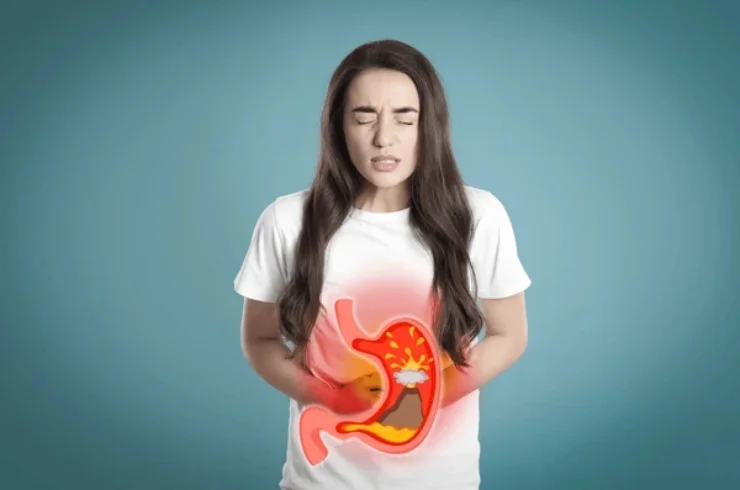
Gastroenteritis, often called stomach flu, is an inflammation of the stomach and intestines that commonly causes vomiting, diarrhea, cramps, and weakness. Most cases are self-limited, but fluid loss can become dangerous quickly in children, older adults, and people with chronic illness.
Because gastroenteritis can present differently from person to person, it deserves an individualized evaluation rather than a one-size-fits-all approach. Many readers looking for a homeopathy clinic in Vadodara want patient education that is practical, balanced, and medically responsible. This article explains what people commonly notice, how doctors assess the issue, where lifestyle measures fit in, and how an experienced homeopathy doctor in Vadodara may think about supportive care alongside standard medical guidance.
Symptoms
Symptoms often reflect the stage, trigger pattern, and the patient's overall health. Some people notice mild changes that build slowly, while others experience episodes that are uncomfortable enough to affect sleep, work, confidence, or daily routines.
The illness may begin suddenly with nausea and abdominal discomfort, or it may start with loose stools and progress over several hours. Appetite often drops sharply, and many patients feel too weak to maintain their normal daily routine.
Common Symptoms
- Loose stools or diarrhea
- Nausea and vomiting
- Abdominal cramps
- Weakness and poor appetite
- Mild fever in some infectious cases
- Signs of dehydration such as thirst, dry mouth, or reduced urine
When to Seek Medical Assessment
Persistent vomiting, inability to keep fluids down, blood in stool, severe dehydration, confusion, or symptoms in infants and frail elderly patients require prompt conventional medical care. Even when symptoms sound familiar, professional assessment is important if the condition is persistent, recurrent, severe, or interfering with eating, breathing, hydration, urination, bowel habits, mobility, or day-to-day wellbeing.
Causes
Gastroenteritis is usually caused by viral or bacterial infection, contaminated food or water, poor hygiene, or exposure during outbreaks. Sometimes medicines or food intolerance can mimic a similar pattern.
In real life, there is often no single explanation. Genetics, environment, diet, hormones, infection, stress, inflammation, and lifestyle patterns can interact over time. Understanding the likely contributors helps patients ask better questions and helps clinicians plan investigations or supportive care more thoughtfully.
- Viral infection
- Food poisoning or bacterial contamination
- Unsafe water intake
- Poor hand hygiene and household spread
- Travel-related digestive exposure
Risk Factors
The illness spreads easily in families, schools, and workplaces, especially when hand hygiene and safe food handling are not maintained during outbreaks.
A risk factor does not guarantee that a person will develop the condition, and someone without obvious risk factors can still experience symptoms. Even so, knowing these patterns is useful because it highlights where prevention, earlier consultation, or closer follow-up may be sensible.
- Young age or older age
- Crowded living or outbreak exposure
- Travel and street-food exposure
- Reduced immunity
- Unsafe water or poor food storage
Diagnosis
Diagnosis is often clinical in straightforward cases, based on vomiting, diarrhea, recent exposure, and dehydration signs. Doctors mainly want to judge severity and decide whether simple care is enough or whether testing is needed.
Stool testing, blood work, or hospital assessment may be considered if symptoms are severe, prolonged, bloody, or associated with significant dehydration. In many cases, the most important part of the evaluation is not naming the virus but determining whether fluid and electrolyte loss is becoming dangerous.
Homeopathic Perspective
Homeopathic support is sometimes explored by patients seeking additional symptom-based care for nausea, cramps, or weakness during recovery.
This can be considered only in medically stable situations. Repeated vomiting, severe dehydration, altered consciousness, or bloody stools are not situations for delayed care. A homeopathy doctor in Vadodara should approach gastroenteritis support responsibly and never downplay dehydration risk.
At Pure Life Homeopathy Vadodara, consultation is typically centered on the individual rather than on a label alone. A homeopathic treatment plan may consider the symptom timeline, triggers, sleep, appetite, stress pattern, temperature preference, sensitivities, and overall constitution. Homeopathy should be used responsibly and does not replace emergency care, specialist referral, imaging, laboratory work, or conventional treatment when those are necessary.
Lifestyle Recommendations
The immediate goal is not elaborate treatment but steady rehydration, gut rest, and watching for warning signs.
Lifestyle changes are most useful when they are realistic and consistent. Small, repeatable adjustments often do more for long-term progress than extreme short-term routines, especially in chronic conditions that need monitoring over months rather than days.
- Take oral fluids frequently in small amounts
- Use oral rehydration solutions when needed
- Avoid heavy, oily, or very spicy meals during recovery
- Return gradually to light foods as tolerated
- Wash hands carefully and maintain food hygiene
- Seek care quickly if urine output drops or weakness increases
FAQ
Is stomach flu the same as influenza?
No. The term stomach flu is a common name for gastroenteritis, but it is not the same as influenza, which is a respiratory viral illness. Gastroenteritis mainly affects the digestive tract and is more likely to cause diarrhea, vomiting, and dehydration rather than cough and body aches alone.
What is the biggest risk in gastroenteritis?
The biggest short-term risk is dehydration, especially in children, older adults, and people who cannot keep fluids down. Early attention to hydration often makes the greatest difference. If weakness, dizziness, confusion, or low urine output develops, a doctor should assess the patient promptly.
Can homeopathy be used during stomach flu?
Supportive homeopathic care may be used in mild, stable situations, but it should never replace rehydration or delay hospital care when dehydration is progressing. In this condition, safety depends on judging the severity correctly, not just on treating nausea or loose motions symptomatically.
Conclusion
Gastroenteritis is common, but dehydration is what makes it potentially serious. A calm, hydration-focused approach and timely recognition of warning signs usually matter more than trying too many remedies at once.
If you want an individualized discussion about symptoms, triggers, and supportive homeopathic treatment in Vadodara, Pure Life Homeopathy, Vadodara offers consultation-focused care aimed at patient education, realistic expectations, and a treatment plan tailored to the person rather than just the diagnosis.