
Introduction
Exercise does not cure migraine, but sensible movement can support recovery by improving circulation, posture, stress regulation, and sleep quality. The challenge is that the wrong kind of exercise, especially if abrupt or overly intense, can also trigger headaches in some people, so the goal is to use movement strategically rather than forcefully.
Because migraine and exercise-based self-care can present differently from person to person, it deserves an individualized evaluation rather than a one-size-fits-all approach. Many readers looking for a homeopathy clinic in Vadodara want patient education that is practical, balanced, and medically responsible. This article explains what people commonly notice, how doctors assess the issue, where lifestyle measures fit in, and how an experienced homeopathy doctor in Vadodara may think about supportive care alongside standard medical guidance.
Symptoms
Symptoms often reflect the stage, trigger pattern, and the patient's overall health. Some people notice mild changes that build slowly, while others experience episodes that are uncomfortable enough to affect sleep, work, confidence, or daily routines.
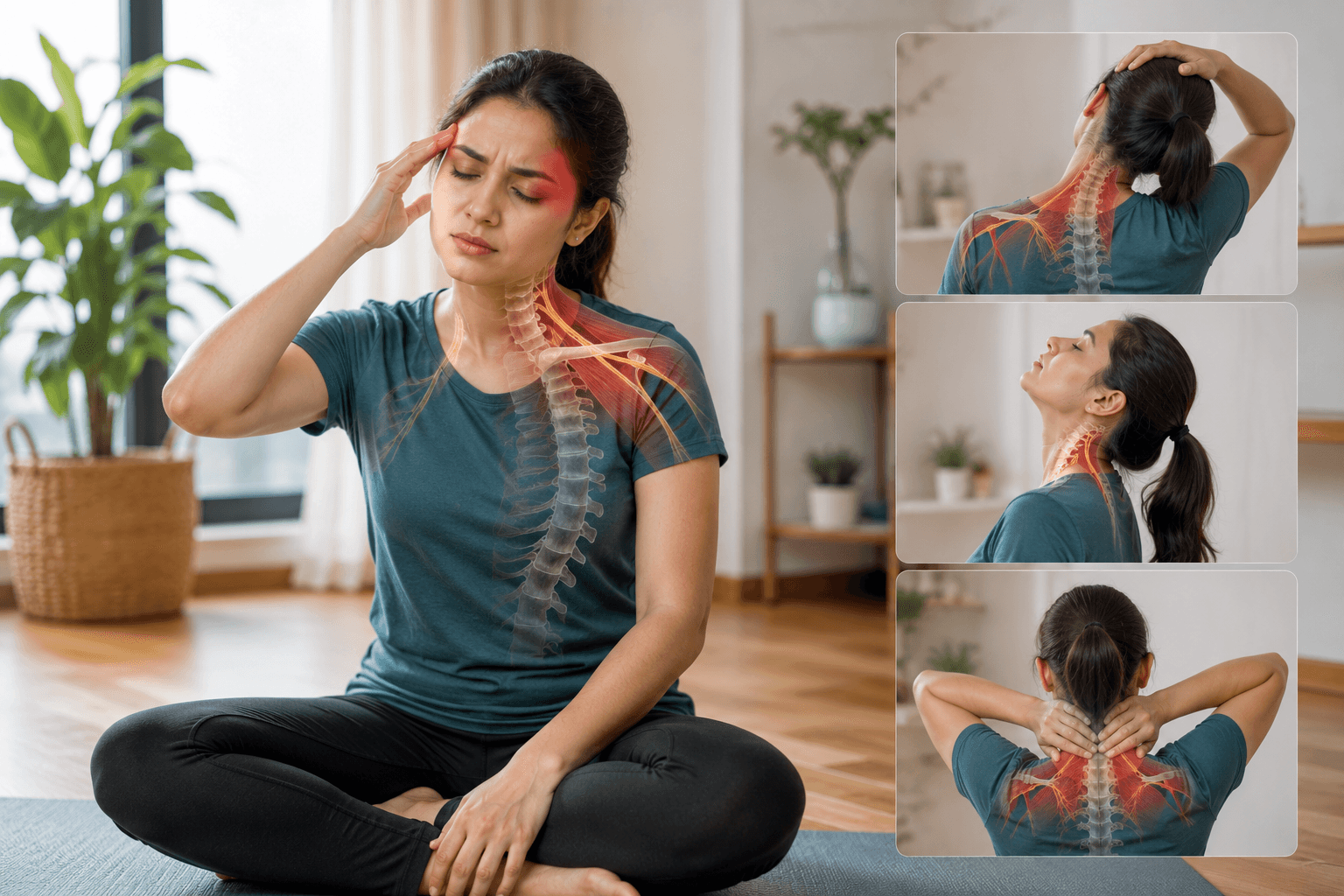
People with migraine often also report neck tightness, screen-related posture strain, low activity tolerance during stressful periods, or headache worsening after skipped meals and overexertion.
Common Symptoms
- Recurring headaches with trigger sensitivity
- Neck and shoulder tightness
- Sensitivity to exertion during active attacks
- Stress-linked headaches
- Poor posture from desk work
- Fatigue and stiffness after long sitting
When to Seek Medical Assessment
Exercise should not be treated as a substitute for evaluation if headaches are new, severe, or accompanied by neurologic symptoms, fever, fainting, or a clearly unusual pattern. Even when symptoms sound familiar, professional assessment is important if the condition is persistent, recurrent, severe, or interfering with eating, breathing, hydration, urination, bowel habits, mobility, or day-to-day wellbeing.
Causes
The reason exercise can help is not because migraine is simply a fitness problem, but because routine, stress load, muscle tension, and vascular regulation all influence the migraine-prone nervous system.
In real life, there is often no single explanation. Genetics, environment, diet, hormones, infection, stress, inflammation, and lifestyle patterns can interact over time. Understanding the likely contributors helps patients ask better questions and helps clinicians plan investigations or supportive care more thoughtfully.
- Neck and upper back tension
- Sedentary routine and poor posture
- Stress accumulation
- Irregular sleep and low recovery
- Overexertion without preparation in some patients
Risk Factors
For some people, very intense exercise, dehydration, and skipping meals around workouts can actually increase migraine frequency. That is why exercise advice should be tailored and gradual.
A risk factor does not guarantee that a person will develop the condition, and someone without obvious risk factors can still experience symptoms. Even so, knowing these patterns is useful because it highlights where prevention, earlier consultation, or closer follow-up may be sensible.
- Overexertion without adequate warm-up
- Poor hydration
- Fasting before exercise
- Long desk hours with posture strain
- Existing cervical muscle tension
Diagnosis
Before focusing on exercises, it is important to confirm that the headaches fit a migraine or muscle-tension pattern rather than a more serious neurologic or medical condition. A doctor may review attack pattern, triggers, neck symptoms, and any red flags.
When exercise seems to trigger headache repeatedly, clinicians may also consider blood pressure, exertional headache patterns, cervical issues, or migraine thresholds influenced by sleep and nutrition. Safe exercise guidance begins with knowing what type of headache is actually being managed.
Homeopathic Perspective
Homeopathy may be sought as supportive care by patients who are also working on migraine prevention through routine changes such as better sleep, hydration, posture, and stress management.
In that setting, a homeopathy doctor in Vadodara may consider the timing of headaches, neck tension, digestive triggers, emotional stress, and individual sensitivity patterns. This is most useful when combined with practical routine changes rather than treated as a stand-alone answer.
At Pure Life Homeopathy Vadodara, consultation is typically centered on the individual rather than on a label alone. A homeopathic treatment plan may consider the symptom timeline, triggers, sleep, appetite, stress pattern, temperature preference, sensitivities, and overall constitution. Homeopathy should be used responsibly and does not replace emergency care, specialist referral, imaging, laboratory work, or conventional treatment when those are necessary.
Lifestyle Recommendations
Gentle consistency usually works better than aggressive exercise plans in migraine-prone patients.
Lifestyle changes are most useful when they are realistic and consistent. Small, repeatable adjustments often do more for long-term progress than extreme short-term routines, especially in chronic conditions that need monitoring over months rather than days.
- Use regular walking, stretching, and posture breaks instead of sudden high-intensity bursts
- Hydrate before and after exercise
- Avoid exercising on an empty stomach if that triggers headaches
- Include neck, upper back, and breathing exercises
- Build duration gradually over weeks
- Stop and reassess if exercise repeatedly worsens symptoms
FAQ
Can exercise trigger migraines?
Yes, in some people intense or poorly timed exercise can trigger migraines, especially if dehydration, skipped meals, heat, or sleep deprivation are also present. That does not mean movement is harmful overall; it means exercise needs to be paced and matched to the person's trigger profile.
What type of exercise is usually safest?
Low- to moderate-intensity activities such as walking, gentle cycling, stretching, and posture-focused strengthening are often better tolerated than abrupt, exhausting routines. The best exercise is one the person can repeat consistently without worsening headaches.
Should I exercise during an active migraine attack?
Most people do not tolerate structured exercise well during an active migraine. During an attack, rest, hydration, and symptom management usually make more sense. Exercise is generally more useful between attacks as part of prevention and stress regulation.
Conclusion
Exercise can become a valuable migraine-support tool when it is used gradually and intelligently. The aim is not intensity for its own sake, but improved routine stability, muscle balance, and nervous-system resilience over time.
If you want an individualized discussion about symptoms, triggers, and supportive homeopathic treatment in Vadodara, Pure Life Homeopathy, Vadodara offers consultation-focused care aimed at patient education, realistic expectations, and a treatment plan tailored to the person rather than just the diagnosis.