
Introduction
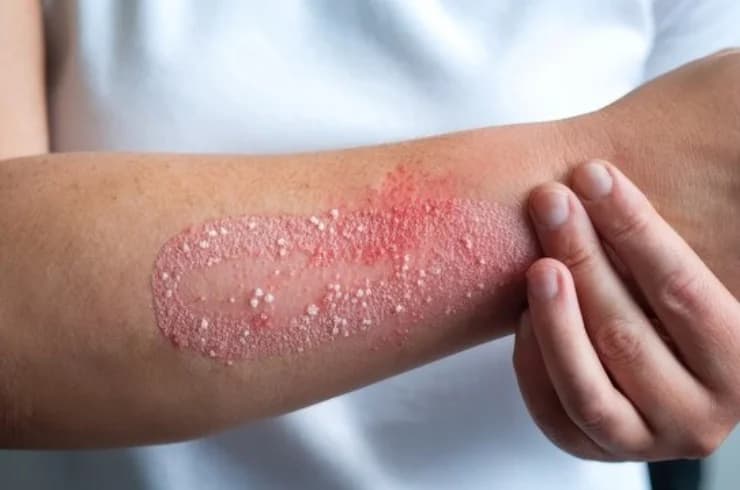
Eczema is one of the most common chronic skin conditions affecting both children and adults. Characterized by persistent itching, dryness, redness, inflammation, and recurring flare-ups, eczema can significantly affect quality of life. While the condition primarily appears on the skin, its impact often extends beyond physical symptoms, affecting sleep, emotional wellbeing, self-confidence, work performance, and daily comfort. Many people experience periods when symptoms improve, followed by unexpected flare-ups triggered by weather changes, stress, irritants, allergies, or other factors. For some individuals, eczema becomes a long-term challenge that requires ongoing management rather than a one-time solution. When searching for eczema treatment in Vadodara, patients often want more than temporary symptom relief. They want to understand why the condition keeps returning and what can be done to support long-term skin health. This is where individualized care becomes important. In homeopathic practice, eczema is viewed as more than a surface-level skin problem. Homeopathy for eczema focuses on understanding the individual's overall health, symptom patterns, sensitivities, lifestyle factors, and constitutional characteristics. This article explores the symptoms, causes, diagnosis, treatment options, preventive measures, and the homeopathic perspective on eczema management. Eczema, also known as atopic dermatitis in many cases, is a chronic inflammatory condition that affects the skin barrier. Healthy skin acts as a protective shield that helps retain moisture and defend against environmental irritants. In people with eczema, this barrier is often weakened, allowing moisture to escape while making the skin more vulnerable to irritation and inflammation. The condition may affect small localized areas or larger portions of the body. Commonly affected areas include: • Hands • Arms • Elbows • Knees • Neck • Face • Eyelids • Scalp • Feet Although eczema is not contagious, it can be frustrating due to its recurring nature. Many patients notice that symptoms improve for weeks or months before returning unexpectedly.
Because eczema can present differently from person to person, it deserves an individualized evaluation rather than a one-size-fits-all approach. Many readers looking for a homeopathy clinic in Vadodara want patient education that is practical, balanced, and medically responsible. This article explains what people commonly notice, how doctors assess the issue, where lifestyle measures fit in, and how an experienced homeopathy doctor in Vadodara may think about supportive care alongside standard medical guidance.
Symptoms
Symptoms often reflect the stage, trigger pattern, and the patient's overall health. Some people notice mild changes that build slowly, while others experience episodes that are uncomfortable enough to affect sleep, work, confidence, or daily routines.
Eczema symptoms can vary considerably from person to person. Some individuals experience mild dryness and occasional itching, while others struggle with severe inflammation and intense discomfort. Symptoms may change depending on age, trigger exposure, climate conditions, and the stage of the flare-up. Many people underestimate how disruptive eczema can become. Persistent itching may interfere with sleep quality, concentration at work or school, exercise routines, social interactions, emotional wellbeing, and self-confidence. Children often become irritable because of disturbed sleep, while adults frequently report frustration due to recurrent flare-ups and visible skin changes.
Common Symptoms
- Persistent itching that may worsen at night
- Dry, rough, or flaky skin
- Red or inflamed patches
- Skin sensitivity and irritation
- Cracked skin
- Oozing or crusting during active flare-ups
- Thickened skin caused by repeated scratching
- Burning or stinging sensations
- Darkened or discolored skin after inflammation
When to Seek Medical Assessment
Medical review is important if the skin becomes very painful, rapidly spreads, shows pus or fever-related signs of infection, or if children are scratching so intensely that sleep and growth are being affected. Even when symptoms sound familiar, professional assessment is important if the condition is persistent, recurrent, severe, or interfering with eating, breathing, hydration, urination, bowel habits, mobility, or day-to-day wellbeing.
Causes
Eczema develops due to a combination of factors rather than a single cause. Researchers believe the condition results from interactions between genetics, immune system activity, environmental exposures, and skin barrier dysfunction.
In real life, there is often no single explanation. Genetics, environment, diet, hormones, infection, stress, inflammation, and lifestyle patterns can interact over time. Understanding the likely contributors helps patients ask better questions and helps clinicians plan investigations or supportive care more thoughtfully.
- Skin barrier weakness leading to moisture loss
- Immune hypersensitivity and inflammation
- Contact with soaps, detergents, fragrances, or harsh chemicals
- Heat, sweat, dust, wool, or weather changes
- Stress-related flare patterns
- Atopic tendency in the family
Risk Factors
Certain factors may increase the likelihood of developing eczema or experiencing more frequent flare-ups.
A risk factor does not guarantee that a person will develop the condition, and someone without obvious risk factors can still experience symptoms. Even so, knowing these patterns is useful because it highlights where prevention, earlier consultation, or closer follow-up may be sensible.
- Family history of eczema
- Asthma
- Allergic rhinitis
- Sensitive skin
- Dry climate exposure
- Frequent hand washing
- Occupational exposure to chemicals
- Childhood allergies
- Chronic stress
- Poor sleep patterns
Diagnosis
Diagnosis is usually clinical, meaning it is based on appearance, symptom history, trigger pattern, and examination of the affected areas. Doctors also ask whether the rash is seasonal, whether there is oozing or infection, and whether similar symptoms run in the family.
Sometimes eczema needs to be distinguished from fungal infection, psoriasis, contact dermatitis, scabies, or other inflammatory skin disorders. Patch testing, allergy review, or dermatology referral may be appropriate when the picture is unclear or when the rash is severe or treatment-resistant.
Homeopathic Perspective
In homeopathic practice, eczema is generally assessed through the person's skin pattern and constitution as a whole rather than by focusing only on the visible rash.
A homeopathy doctor in Vadodara may take note of the site of eruption, type of itching, sensitivity to heat or cold, digestive tendencies, sleep disturbance, sweating, emotional triggers, and long-term flare pattern. Homeopathic care may be sought as supportive treatment, but severe infection, rapidly worsening inflammation, or extensive skin involvement should always be evaluated conventionally as well.
At Pure Life Homeopathy Vadodara, consultation is typically centered on the individual rather than on a label alone. A homeopathic treatment plan may consider the symptom timeline, triggers, sleep, appetite, stress pattern, temperature preference, sensitivities, and overall constitution. Homeopathy should be used responsibly and does not replace emergency care, specialist referral, imaging, laboratory work, or conventional treatment when those are necessary.
Lifestyle Recommendations
Daily skin care often makes a major difference in eczema control. Consistency matters because the skin barrier usually improves gradually rather than overnight.
Lifestyle changes are most useful when they are realistic and consistent. Small, repeatable adjustments often do more for long-term progress than extreme short-term routines, especially in chronic conditions that need monitoring over months rather than days.
- Use fragrance-free moisturizers regularly, especially after bathing
- Avoid harsh soaps, scrubs, and strongly perfumed products
- Keep nails short to reduce damage from scratching
- Identify clothing, sweat, food, or environmental triggers where relevant
- Use lukewarm rather than very hot water for bathing
- Seek prompt care if there are signs of infection or extensive flare
FAQ
Is eczema the same as a skin allergy?
Not always. Eczema may overlap with allergy, but it is not identical to a single allergic reaction. Barrier weakness, immune sensitivity, irritant exposure, genetics, and stress can all contribute. This is one reason why some people improve only when they address daily skin care and trigger control together rather than focusing on just one factor.
Can scratching make eczema worse?
Yes. Scratching can damage the skin barrier further, increase inflammation, thicken the skin over time, and raise the risk of secondary infection. The itch-scratch cycle is one of the main reasons eczema becomes so persistent. Good moisturization, trigger reduction, and medical guidance are often important to break that cycle.
Can homeopathy be used along with dermatology advice?
Many patients use homeopathy as a complementary approach while continuing appropriate skin care and dermatology guidance. That can be reasonable when treatment is coordinated sensibly. The important point is not to ignore infection, severe inflammation, or medical warning signs while trying to manage the condition only with home remedies.
Conclusion
Eczema is a chronic skin condition that often requires long-term attention, patience, and individualized management. While symptoms may appear on the surface of the skin, factors such as genetics, immune sensitivity, lifestyle habits, environmental exposures, and stress can all influence the course of the condition. Successful eczema management usually involves a combination of proper skin care, trigger awareness, lifestyle modifications, and appropriate professional guidance. For individuals exploring homeopathy for eczema, an individualized consultation can help evaluate symptom patterns and overall health factors that may be relevant to care planning. If you are looking for personalized eczema treatment in Vadodara, Pure Life Homeopathy offers consultation-focused care that emphasizes patient education, individualized assessment, realistic expectations, and treatment plans tailored to the person rather than just the diagnosis.
If you want an individualized discussion about symptoms, triggers, and supportive homeopathic treatment in Vadodara, Pure Life Homeopathy, Vadodara offers consultation-focused care aimed at patient education, realistic expectations, and a treatment plan tailored to the person rather than just the diagnosis.