
Introduction
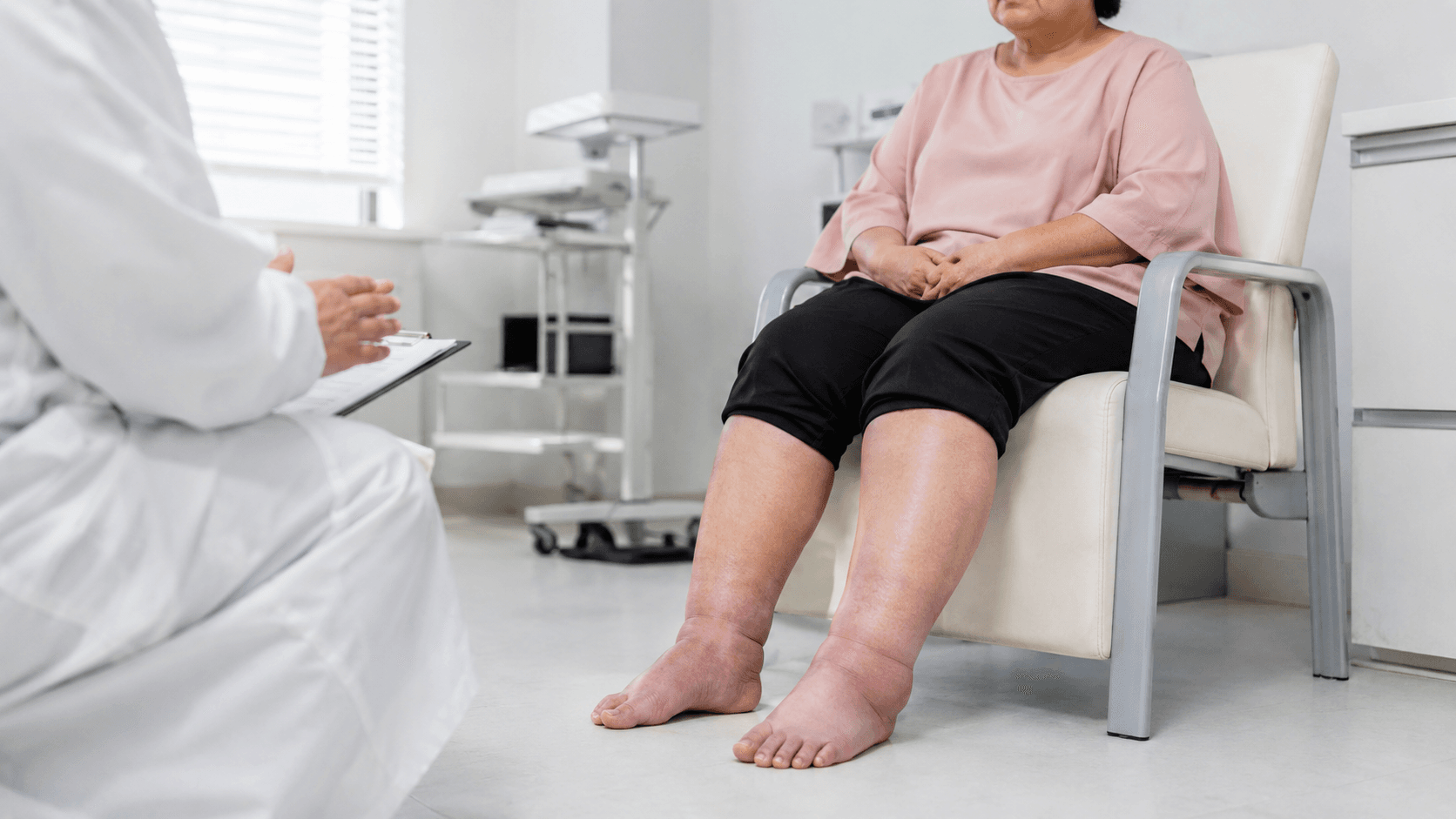
Edema is a medical term used to describe swelling caused by the accumulation of excess fluid within the body's tissues. In people living with cancer, edema can develop for a variety of reasons, including the cancer itself, side effects of treatment, reduced mobility, nutritional deficiencies, lymphatic obstruction, or changes in kidney, liver, or heart function. While mild swelling may appear harmless, persistent or progressive edema can significantly affect comfort, mobility, skin health, and overall quality of life. Understanding why swelling occurs is important because the underlying cause often determines the most appropriate management strategy. Many patients searching for supportive homeopathic care in Vadodara also seek practical information about edema, its warning signs, and how it can be managed safely alongside conventional cancer treatment. The impact of edema extends far beyond visible swelling. Many cancer patients describe a constant feeling of heaviness in the limbs, difficulty wearing normal footwear, reduced mobility, tightness of the skin, discomfort during sleep, and emotional distress caused by changes in appearance. Severe fluid retention may interfere with walking, climbing stairs, exercising, or performing daily household activities. In some cases, fluid accumulation in the abdomen or chest may contribute to breathing difficulties and reduced stamina. The physical burden of swelling can also increase anxiety because patients often worry whether the symptom reflects progression of disease, treatment complications, or organ dysfunction. Early recognition and appropriate management can help reduce complications and improve overall quality of life.
Because edema and fluid retention associated with cancer can present differently from person to person, it deserves an individualized evaluation rather than a one-size-fits-all approach. Many readers looking for a homeopathy clinic in Vadodara want patient education that is practical, balanced, and medically responsible. This article explains what people commonly notice, how doctors assess the issue, where lifestyle measures fit in, and how an experienced homeopathy doctor in Vadodara may think about supportive care alongside standard medical guidance.
Symptoms
Symptoms often reflect the stage, trigger pattern, and the patient's overall health. Some people notice mild changes that build slowly, while others experience episodes that are uncomfortable enough to affect sleep, work, confidence, or daily routines.
Symptoms of edema vary considerably from person to person. Some individuals first notice swelling around the ankles that becomes worse by evening, while others experience puffiness around the face, hands, abdomen, or entire limbs. The skin may appear stretched, shiny, or unusually tight. Rings, watches, shoes, or clothing may suddenly feel tighter than usual. Certain patients report a sensation of heaviness, pressure, or fullness even before visible swelling develops. In advanced cases, swelling may affect movement, balance, or breathing. Because cancer-related edema can arise from many different causes, the pattern, location, and timing of symptoms provide important clues. Monitoring these changes carefully helps healthcare providers determine the most appropriate course of action.
Common Symptoms
- Swelling of the legs, ankles, hands, abdomen, or face
- Tight, shiny, or stretched skin over the swollen area
- A feeling of heaviness or pressure in the limbs
- Reduced flexibility or discomfort while walking or using the hands
- Temporary indentation after pressing on the skin in some cases
- Breathlessness or abdominal fullness when fluid buildup is more significant
When to Seek Medical Assessment
Urgent medical attention is especially important if swelling is sudden, one-sided, associated with chest discomfort, fever, skin breakdown, significant shortness of breath, reduced urine output, or rapid weight gain. Even when symptoms sound familiar, professional assessment is important if the condition is persistent, recurrent, severe, or interfering with eating, breathing, hydration, urination, bowel habits, mobility, or day-to-day wellbeing.
Causes
Cancer-related edema may develop through several different mechanisms. Tumors can compress lymphatic vessels or veins, preventing normal drainage of fluid from tissues. Surgery involving lymph node removal may disrupt lymphatic circulation and contribute to lymphedema. Radiation therapy can produce scarring that interferes with normal fluid movement. Certain chemotherapy drugs, steroids, and targeted therapies may also encourage fluid retention. In addition, poor nutritional status, low protein levels, kidney dysfunction, liver disease, heart problems, and prolonged inactivity can all contribute to swelling. Since multiple factors often exist simultaneously, identifying the precise cause requires a comprehensive medical evaluation rather than assumptions based on symptoms alone.
In real life, there is often no single explanation. Genetics, environment, diet, hormones, infection, stress, inflammation, and lifestyle patterns can interact over time. Understanding the likely contributors helps patients ask better questions and helps clinicians plan investigations or supportive care more thoughtfully.
- Lymphatic obstruction after surgery, radiation, or tumor pressure
- Reduced activity and prolonged sitting or bed rest
- Low blood protein levels due to poor intake or illness burden
- Side effects of steroids, chemotherapy, or targeted therapies
- Kidney, liver, or heart function changes during treatment
- Venous blockage or clot-related complications
Risk Factors
Although edema can occur in any cancer patient, certain factors increase the likelihood of developing fluid retention. Extensive surgery, lymph node dissection, radiation therapy, advanced disease burden, prolonged hospitalization, poor nutritional intake, and pre-existing cardiovascular or kidney conditions may all increase risk. Patients who remain inactive for long periods or experience significant weight changes during treatment may also be more vulnerable. Understanding these risk factors helps patients and caregivers recognize symptoms early and seek timely medical guidance before complications develop.
A risk factor does not guarantee that a person will develop the condition, and someone without obvious risk factors can still experience symptoms. Even so, knowing these patterns is useful because it highlights where prevention, earlier consultation, or closer follow-up may be sensible.
- Major surgery involving lymph node removal
- Radiation to areas affecting lymph drainage
- Advanced disease burden
- Poor nutrition or low protein intake
- Pre-existing kidney, liver, or heart disease
- Reduced mobility after treatment
Diagnosis
Accurate diagnosis is essential because edema is often a symptom rather than a diagnosis itself. Healthcare providers typically begin with a detailed history, asking when the swelling started, whether it fluctuates throughout the day, whether pain or redness is present, and whether recent treatments or medications may be contributing. The location of swelling and associated symptoms often provide valuable clues regarding its cause. Because swelling can sometimes indicate serious complications, professional evaluation should never be delayed.
The diagnostic process may include physical examination, blood investigations, kidney and liver function testing, urine analysis, imaging studies, Doppler ultrasound, chest imaging, or specialist consultations. Doctors may evaluate heart function, nutritional status, medication history, and signs of infection or blood clots. In cancer patients, swelling should never automatically be attributed to treatment side effects alone. Careful assessment helps identify potentially serious causes and ensures that appropriate interventions are started promptly.
Homeopathic Perspective
From a homeopathic perspective, each patient is viewed as an individual rather than as a diagnosis alone. Practitioners consider the complete symptom picture, including the location of swelling, factors that improve or worsen symptoms, energy levels, emotional state, sleep patterns, appetite, thirst, temperature preferences, and associated complaints. This individualized approach forms the foundation of classical homeopathic case analysis.
Supportive homeopathic care may be considered by patients seeking a complementary approach alongside conventional cancer management. The goal is not to replace oncology treatment or delay necessary investigations but to support overall well-being through individualized care. A detailed consultation may explore physical symptoms, emotional responses, stress patterns, constitutional tendencies, and treatment history. At Pure Life Homeopathy Vadodara, emphasis is placed on realistic expectations, patient education, and safe integration with ongoing medical treatment. Any complementary therapy should be coordinated with the patient's oncology team to ensure that all aspects of care remain aligned and medically appropriate.
At Pure Life Homeopathy Vadodara, consultation is typically centered on the individual rather than on a label alone. A homeopathic treatment plan may consider the symptom timeline, triggers, sleep, appetite, stress pattern, temperature preference, sensitivities, and overall constitution. Homeopathy should be used responsibly and does not replace emergency care, specialist referral, imaging, laboratory work, or conventional treatment when those are necessary.
Lifestyle Recommendations
Lifestyle measures play an important role in managing edema and supporting overall comfort. However, recommendations should always be tailored to the underlying cause. Some patients benefit from elevation of affected limbs, gentle movement, skin care routines, and nutritional optimization, while others require more specialized medical supervision. Small daily habits often have a meaningful cumulative effect on long-term symptom management and quality of life.
Lifestyle changes are most useful when they are realistic and consistent. Small, repeatable adjustments often do more for long-term progress than extreme short-term routines, especially in chronic conditions that need monitoring over months rather than days.
- Follow the oncology team's advice regarding fluid, salt, and medicines
- Elevate swollen limbs when advised and avoid long periods in one position
- Use compression garments only if a doctor has recommended them
- Protect the skin from cuts, burns, and infection
- Report rapid weight gain, increasing swelling, or breathlessness promptly
- Maintain adequate protein and nutrition under professional guidance
FAQ
Can homeopathy cure cancer-related edema?
No responsible healthcare professional should promise a cure for cancer-related edema through homeopathy. Swelling in cancer patients may result from serious underlying causes such as lymphatic obstruction, blood clots, organ dysfunction, infection, or treatment-related complications. Homeopathy may be considered as a supportive approach alongside conventional medical care, but it should never replace appropriate diagnosis, oncology treatment, or emergency medical evaluation when required.
When is swelling in cancer considered an emergency?
Immediate medical attention is recommended if swelling develops suddenly, affects only one limb, is associated with severe pain, redness, chest discomfort, shortness of breath, fever, confusion, dizziness, reduced urine output, or rapid weight gain. These symptoms may indicate a blood clot, infection, heart problem, lung involvement, or another serious medical condition that requires urgent evaluation.
What causes fluid retention in cancer patients?
Fluid retention in cancer patients can occur for many reasons. Tumors may block lymphatic drainage or blood flow, surgery may disrupt normal lymph circulation, and treatments such as chemotherapy, radiation therapy, or steroid medications can contribute to swelling. Poor nutrition, reduced mobility, low protein levels, kidney problems, liver disease, and heart conditions may also increase the likelihood of edema.
Can chemotherapy cause edema?
Yes. Certain chemotherapy drugs, targeted therapies, hormonal treatments, and steroids may contribute to fluid retention and swelling. The severity varies between individuals and depends on the type of treatment, dosage, overall health, and the body's response. Any new or worsening swelling during cancer treatment should be discussed with the oncology team.
Can lymphatic swelling improve over time?
In many cases, lymphatic swelling can be managed more effectively when it is recognized early. Protective skin care, guided exercise, limb elevation, compression therapy when appropriate, and ongoing medical monitoring may help improve symptoms. The long-term outlook depends on the cause, severity, and overall cancer treatment plan.
What lifestyle measures may help reduce edema?
Helpful lifestyle measures may include staying physically active within medical limits, avoiding prolonged sitting or standing, elevating swollen limbs when recommended, maintaining healthy nutrition, protecting the skin from injury, and following medical advice regarding fluid and salt intake. Since the cause of edema varies, lifestyle recommendations should always be individualized.
Can homeopathy be used alongside conventional cancer treatment?
Many patients explore complementary therapies while undergoing conventional cancer treatment. Homeopathy should only be used as a supportive approach and should never delay surgery, chemotherapy, radiation therapy, or other medically necessary treatments. Patients should inform all healthcare providers about any complementary therapies they are considering to ensure safe and coordinated care.
How is lymphedema different from ordinary edema?
Lymphedema is a specific type of swelling caused by impaired lymphatic drainage, often occurring after lymph node removal, radiation therapy, or tumor-related blockage. Ordinary edema may arise from a broader range of causes such as fluid imbalance, heart disease, kidney disease, liver problems, medications, or prolonged inactivity. Proper diagnosis is important because management strategies may differ significantly.
Can edema affect quality of life?
Yes. Persistent swelling can make walking, exercising, sleeping, and performing daily activities more difficult. Patients may experience discomfort, heaviness, restricted movement, skin problems, difficulty fitting into clothing or footwear, and emotional distress. Early management can help reduce these challenges and improve overall well-being.
When should I consult a doctor about swelling?
Any persistent, worsening, unexplained, or recurrent swelling should be assessed by a healthcare professional. This is particularly important for cancer patients because edema may sometimes signal treatment complications, infection, blood clots, or organ dysfunction. Early evaluation often leads to better outcomes and more effective management.
Conclusion
Edema and fluid retention in cancer are important symptoms that deserve careful medical evaluation rather than dismissal as a minor inconvenience. Swelling may result from treatment effects, lymphatic disruption, nutritional challenges, organ dysfunction, or the cancer itself. Early recognition, appropriate investigations, and individualized management are essential for preventing complications and improving quality of life. Supportive homeopathic care may be considered as part of a broader integrative approach when used responsibly alongside conventional treatment. If you are experiencing persistent swelling, discomfort, or fluid retention and would like individualized guidance, Pure Life Homeopathy Vadodara offers consultation-focused care designed to understand the person as a whole while working alongside established medical recommendations.
If you want an individualized discussion about symptoms, triggers, and supportive homeopathic treatment in Vadodara, Pure Life Homeopathy, Vadodara offers consultation-focused care aimed at patient education, realistic expectations, and a treatment plan tailored to the person rather than just the diagnosis.