
Introduction
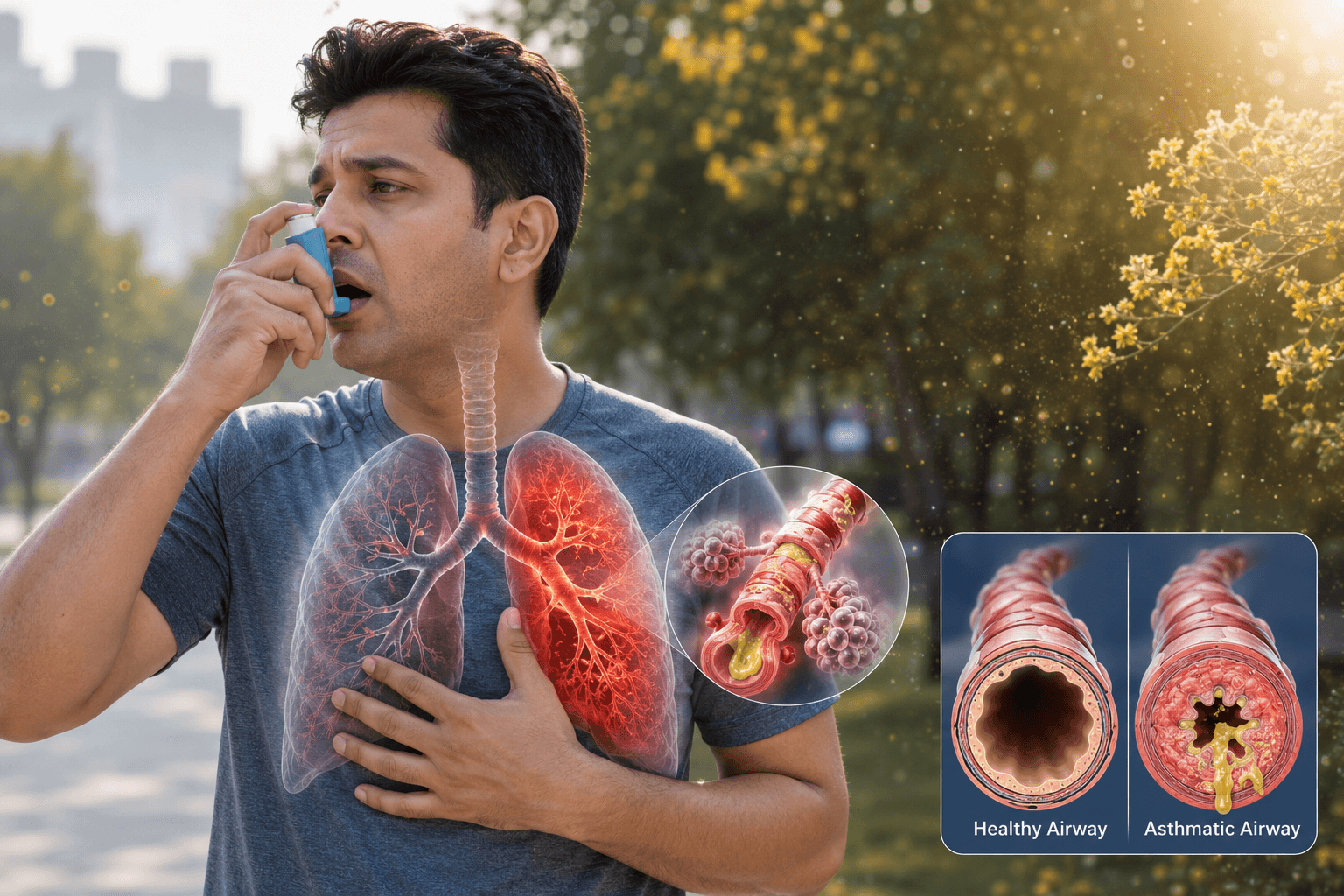
Asthma is a chronic inflammatory airway condition in which the breathing tubes become sensitive, narrow more easily, and may produce excess mucus. When not controlled well, it can affect exercise, sleep, school attendance, work productivity, and confidence during weather changes or exposure to triggers.
Because asthma can present differently from person to person, it deserves an individualized evaluation rather than a one-size-fits-all approach. Many readers looking for a homeopathy clinic in Vadodara want patient education that is practical, balanced, and medically responsible. This article explains what people commonly notice, how doctors assess the issue, where lifestyle measures fit in, and how an experienced homeopathy doctor in Vadodara may think about supportive care alongside standard medical guidance.
Symptoms
Symptoms often reflect the stage, trigger pattern, and the patient's overall health. Some people notice mild changes that build slowly, while others experience episodes that are uncomfortable enough to affect sleep, work, confidence, or daily routines.
Symptoms may vary from occasional cough and mild wheeze to repeated breathlessness and night-time attacks. Some patients mainly notice chest tightness after dust, infection, laughter, or exercise.
Common Symptoms
- Wheezing or whistling sound while breathing
- Shortness of breath
- Chest tightness
- Cough, especially at night or early morning
- Symptoms triggered by dust, smoke, weather, or exercise
- Fatigue due to disturbed sleep in uncontrolled asthma
When to Seek Medical Assessment
Severe breathlessness, inability to speak full sentences, bluish lips, marked chest tightness, drowsiness, or poor response to rescue inhaler need urgent emergency care. Even when symptoms sound familiar, professional assessment is important if the condition is persistent, recurrent, severe, or interfering with eating, breathing, hydration, urination, bowel habits, mobility, or day-to-day wellbeing.
Causes
Asthma reflects airway inflammation and hyperreactivity, often shaped by allergy, family tendency, infection, pollution, exercise, or climate change. Trigger patterns differ widely between patients.
In real life, there is often no single explanation. Genetics, environment, diet, hormones, infection, stress, inflammation, and lifestyle patterns can interact over time. Understanding the likely contributors helps patients ask better questions and helps clinicians plan investigations or supportive care more thoughtfully.
- Allergic airway sensitivity
- Family history of asthma or atopy
- Respiratory infections
- Smoke, pollution, or occupational exposure
- Exercise or cold air trigger patterns
Risk Factors
Patients with allergy, eczema, allergic rhinitis, or strong family history often have a higher likelihood of recurrent airway sensitivity.
A risk factor does not guarantee that a person will develop the condition, and someone without obvious risk factors can still experience symptoms. Even so, knowing these patterns is useful because it highlights where prevention, earlier consultation, or closer follow-up may be sensible.
- Family history of asthma
- Personal history of allergy or eczema
- Urban pollution exposure
- Indoor dust and smoke
- Repeated respiratory infections
Diagnosis
Diagnosis is based on symptom pattern, chest examination, and tests such as spirometry when appropriate. Doctors look for variable airway obstruction and trigger-linked episodes rather than a single constant symptom.
The workup may also include allergy context, response to inhaled therapy, and differentiation from infection, COPD, or other causes of wheeze. Proper diagnosis matters because under-treated asthma can suddenly become serious even if symptoms were mild the day before.
Homeopathic Perspective
Some patients seek homeopathic treatment in Vadodara to support long-term respiratory wellbeing, especially when attacks seem linked to allergy, weather, or recurrent upper respiratory issues.
Homeopathy should be approached as a complementary option and not as a replacement for inhalers, emergency plans, or formal respiratory evaluation. A responsible homeopathy doctor in Vadodara must recognize that uncontrolled asthma can be dangerous and that airway safety comes first.
At Pure Life Homeopathy Vadodara, consultation is typically centered on the individual rather than on a label alone. A homeopathic treatment plan may consider the symptom timeline, triggers, sleep, appetite, stress pattern, temperature preference, sensitivities, and overall constitution. Homeopathy should be used responsibly and does not replace emergency care, specialist referral, imaging, laboratory work, or conventional treatment when those are necessary.
Lifestyle Recommendations
Long-term asthma control depends heavily on trigger reduction, adherence to prescribed respiratory care, and early attention to changing symptoms.
Lifestyle changes are most useful when they are realistic and consistent. Small, repeatable adjustments often do more for long-term progress than extreme short-term routines, especially in chronic conditions that need monitoring over months rather than days.
- Avoid smoke and obvious airborne triggers
- Maintain the inhaler plan prescribed by the respiratory doctor
- Track night cough, exercise tolerance, and trigger pattern
- Treat allergic rhinitis and sinus problems when present
- Use masks in heavy dust or pollution when needed
- Seek urgent help for worsening breathlessness
FAQ
Can asthma be ignored when symptoms are mild?
No. Even mild asthma should be understood properly because airway inflammation may still be present between attacks. Some patients feel well for long stretches and then suddenly worsen when exposed to a trigger. Monitoring and appropriate treatment help reduce that risk.
Is asthma always caused by allergy?
Not always. Allergy is a common contributor, but infection, exercise, cold air, occupational exposure, and pollution can all play a role. Some patients have mixed trigger patterns, which is why the treatment plan is usually more effective when it is individualized.
Can homeopathy replace rescue inhalers?
No. Rescue inhalers and emergency respiratory care should never be replaced in a patient with active or potentially severe asthma. Complementary care, if used, must fit around an appropriate respiratory plan rather than compromise immediate airway safety.
Conclusion
Asthma control improves when patients understand their triggers, take worsening symptoms seriously, and use supportive care in a medically responsible way. The best results usually come from consistency, monitoring, and timely intervention.
If you want an individualized discussion about symptoms, triggers, and supportive homeopathic treatment in Vadodara, Pure Life Homeopathy, Vadodara offers consultation-focused care aimed at patient education, realistic expectations, and a treatment plan tailored to the person rather than just the diagnosis.